Termite Pest Control Treatment: The Complete Guide to Protection, Inspection, and Prevention
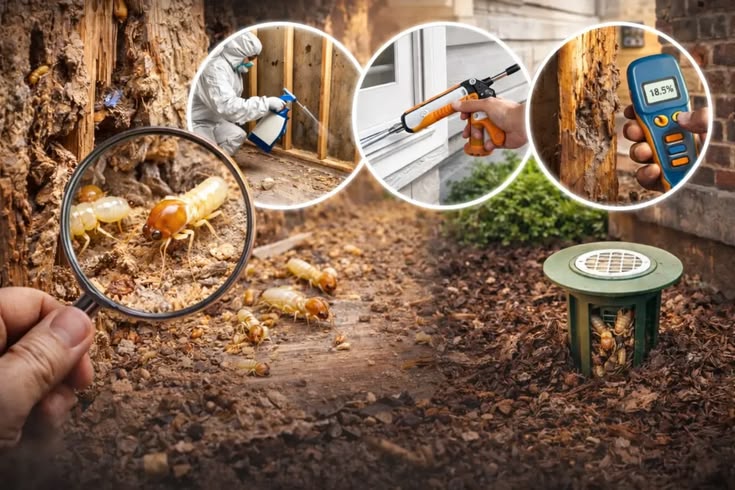
If you are looking for a reliable termite pest control treatment, you have come to the right place. Termites are one of the most destructive pests on the planet quietly chewing through wood, walls, and foundations long before you ever notice the damage. Whether you own a home, run a business, or manage a storage facility, understanding termites and how to deal with them can save you thousands in repairs. This guide walks you through everything: what termites are, where they come from, why they show up, how to treat them, and how often you need to take action.
What Exactly Are Termite Pest Control Treatment?
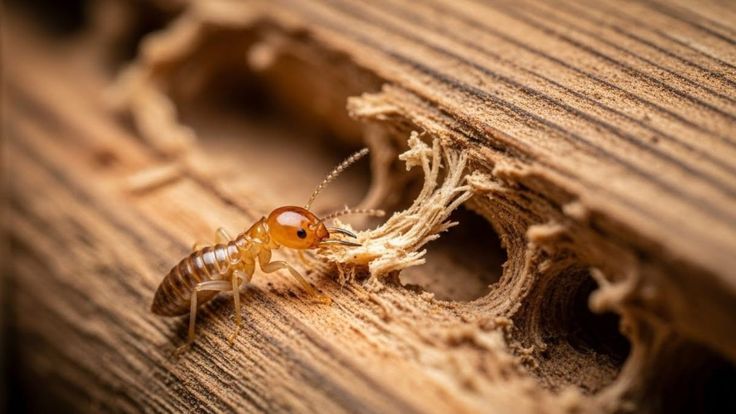
Termites are small, pale insects that live in colonies sometimes numbering in the millions. They feed primarily on cellulose, which is the organic material found in wood, paper, cardboard, and plant matter. That makes our homes, offices, and warehouses an all-you-can-eat buffet for them.
There are three main types you should know about:
Subterranean termites live underground and build mud tubes to travel between their colony and food sources. They are the most common and most destructive species in India and across South Asia.
Dry wood termites, as the name suggests, live directly inside dry wood furniture, wooden beams, door frames without needing contact with soil. They are harder to spot because there is no mud trail to follow.
Damp wood termites prefer moist, decaying wood and are usually found near water-damaged areas or poorly ventilated spaces.
All three can cause serious structural damage if left untreated, which is why early termite pest control treatment is so important.
Where Do Termites Come From?
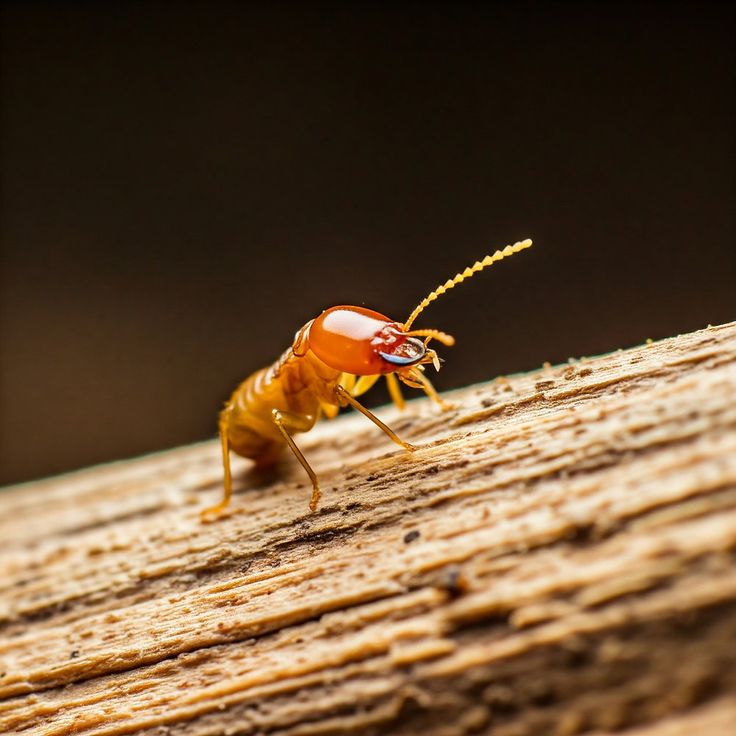
This is one of the most common questions homeowners ask and the answer might surprise you. Termites do not just appear out of nowhere. They have been around for over 250 million years and are found on every continent except Antarctica.
In urban settings, termites typically enter buildings through soil contact with wooden structures, cracks in foundations, gaps around plumbing, or even through wooden furniture and materials brought in from outside. They thrive in warm, humid climates which makes cities like Bengaluru, Chennai, Mumbai, and Delhi particularly vulnerable.
Termites are also attracted to moisture. A leaky pipe, poor drainage around your building’s foundation, or damp wood in your walls creates exactly the kind of environment subterranean termites love. Once a colony establishes itself near your property, a termite pest control treatment plan needs to start as soon as possible.
What Causes Termite Infestations? The Real Reasons They Target Your Space
Understanding the root causes helps you prevent termite infestations before they begin. Here are the most common triggers:
Moisture and water damage top the list. Termites seek out damp wood because it is easier to break down. Any area of your home or building with water damage, condensation, or poor ventilation is a prime target.
Soil-to-wood contact is another major entry point. When wooden structural elements like door frames, window sills, or support beams are in direct contact with soil, subterranean termites have an easy path straight into your building.

Cracks and gaps in the foundation, walls, or around utility pipes give termites access without any visible warning. They can squeeze through a gap as small as 1.5 millimetres.
Stored wood, cardboard, and paper inside or near your building especially in storage rooms, warehouses, and basements act as a food source that encourages colonies to settle nearby.
Old or untreated wood in construction is highly vulnerable. Buildings that were not pre-treated during construction are significantly more susceptible to termite damage over time.
How to Identify a Termite Problem Early
Catching a termite infestation early makes termite pest control treatment far more effective and far less expensive. Here are the warning signs to watch out for:
Mud tubes along walls, foundations, or wooden structures are one of the clearest signs of subterranean termites. These pencil-thin tunnels are how they travel safely above ground.
Hollow-sounding wood is a tell-tale sign. If you knock on a wooden surface and it sounds empty or papery, termites may have eaten through it from the inside.
Discarded wings near windowsills or doorways mean a termite swarm has recently passed through which signals an active or nearby colony.
Frass, which looks like small wood-coloured pellets, is the droppings left behind by drywood termites and is often found near infested furniture or wooden fittings.
Tight-fitting doors and windows that were previously fine can indicate that termites have damaged the wooden frames, causing them to warp or swell.
If you notice any of these signs, do not wait. Contact a professional pest inspection service immediately.
Termite Inspection: Why It Matters More Than You Think
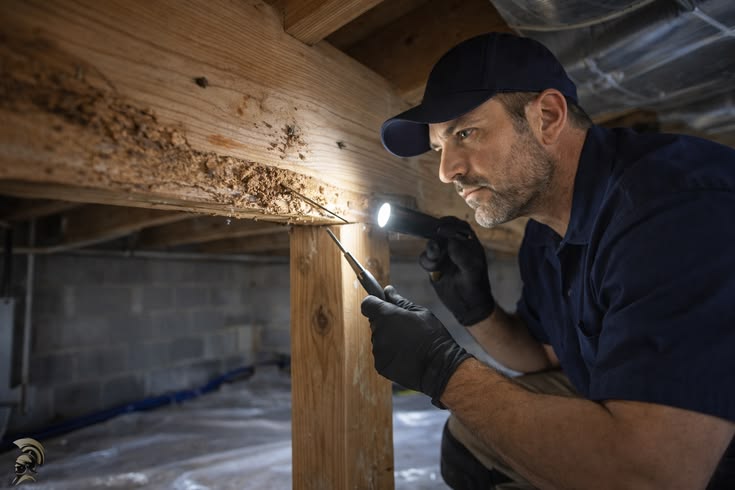
Many people only call for a termite inspection after they have spotted visible damage but by that point, the colony has often been active for months or even years. A professional pest inspection service does far more than confirm what you already suspect.
During a thorough inspection, a trained technician will check all wooden structures, wall cavities, roof spaces, sub-floor areas, and the soil around your foundation. They will look for mud tubes, frass, hollow wood, moisture points, and any structural vulnerabilities that make your property a target. This level of detail is what separates a proper termite pest control treatment plan from a basic spray-and-hope approach.
For commercial properties, warehouses, and storage facilities, regular termite inspections are not just good practice they are essential. Warehouse pest control and termite damage prevention go hand in hand, especially when large quantities of wooden pallets, cardboard stock, or paper records are stored on site.
How Often Should You Do Termite Pest Control Treatment?
This is a question we hear all the time, and the honest answer is: it depends on your location, building type, and history of infestation. Here is a practical guide:
Annual inspections are the minimum recommended frequency for all properties, whether you have had termites before or not. A yearly check catches new activity early and keeps your termite pest control treatment plan current.
Soil barrier treatments typically last between five and ten years depending on the product used and soil conditions. Your pest control provider will advise when a reapplication is due.
Baiting systems require quarterly monitoring visits to check bait consumption and refresh stations as needed. This ongoing attention is what makes them effective as a long-term residential pest management strategy.
Post-construction treatment, also called remedial treatment, should be done as soon as termite activity is confirmed and followed up with an inspection six months later to ensure the colony has been fully eliminated.
For high-risk areas ground-floor properties, buildings near open land, older constructions, or properties with a previous termite history bi-annual inspections are strongly recommended. Consistent termite pest control treatment on a schedule is always cheaper than repairing structural damage after the fact.
Protecting Your Home, Business, and Warehouse from Termites Long Term
Eliminating termites is important, but keeping them away permanently is the real goal. Here is how to build lasting termite resistance into your property:
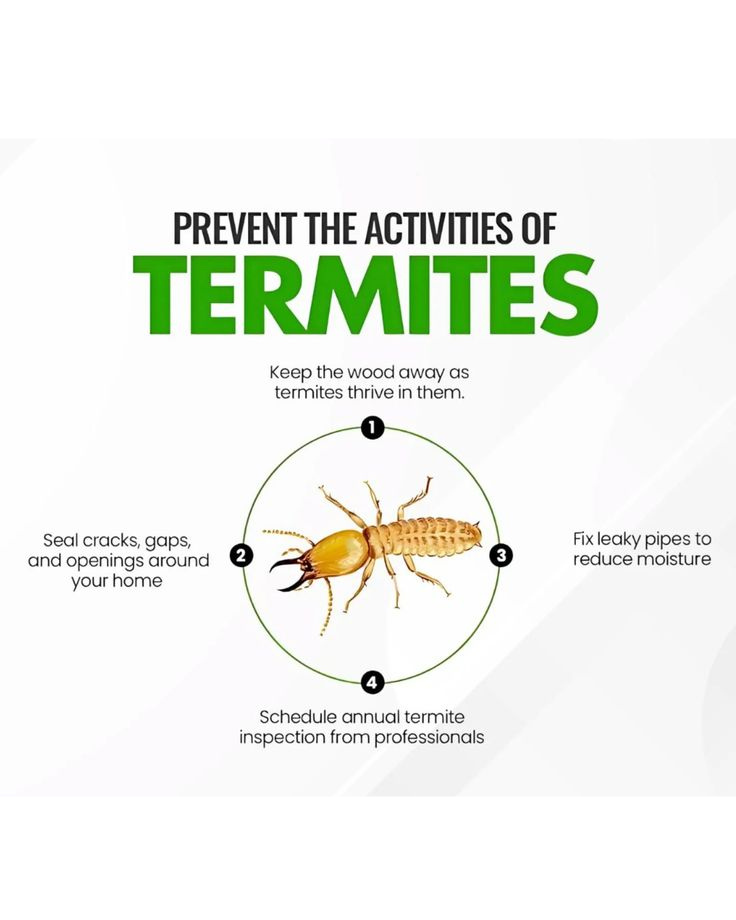
Fix moisture problems first. Repair leaking pipes, improve drainage around your foundation, and ensure all crawl spaces and sub-floor areas are well ventilated. Dry conditions are your best natural defence against subterranean termites.
Use treated wood for any new construction or renovation work. Pre-treated timber significantly reduces the risk of future infestation and is a smart investment in termite damage prevention from day one.
Avoid storing wood, paper, or cardboard directly on the ground especially near your building’s exterior walls. This is particularly relevant for warehouse pest control and storage facility management, where large volumes of cellulose-based materials are common.
Seal cracks and gaps in your foundation, walls, and around utility entry points. Regular building maintenance reduces the number of access routes termites can exploit.
Schedule routine termite pest control treatment visits with a trusted local provider. Whether it is residential pest management for your home or commercial pest control for your office or business premises, staying consistent with your treatment schedule is the most reliable way to stay termite-free.
Termites are patient, silent, and relentless but with the right knowledge, the right treatment, and a consistent approach, they do not stand a chance. Start with a professional inspection, build a treatment plan that suits your property, and stay on top of it every year. Your building will thank you for it.